
How Hospitals Can Use Voice AI for Post-Discharge Feedback Calls

Post-discharge follow-up is one of the most practical places for hospitals to use Voice AI. Once a patient leaves the hospital, the care experience is not really over. Patients may still be confused about medicines, follow-up appointments, discharge instructions, warning signs, or billing. AHRQ’s discharge-safety resources emphasize that post-discharge phone calls can uncover questions, misunderstandings, […]
How Voice AI Can Help Education Businesses Automate Class Reminders and Qualify Course Leads

TL;DR For education and training businesses, Voice AI is not just a way to reduce manual calling. It can become a communication layer for class reminders, student support, and lead qualification. The strongest early use case is usually simple reminder calls before a scheduled class, followed by basic question handling around the session topic or […]
The Real Opportunity in AI Appointment Booking for Clinics

TL;DR AI appointment booking for clinics is not just about answering calls. The bigger opportunity is reducing front-desk load, capturing patient intent accurately, booking appointments faster, and turning each call into structured operational data that can support follow-ups, confirmations, reporting, and downstream workflows. For independent clinics especially, the value of Voice AI grows when it […]
Emergency Department Discharge Callbacks: A Missed Opportunity for Better Patient Outcomes and Smarter Hospital Operations

Emergency departments are designed to stabilize, treat, and discharge patients quickly. But for many patients, the most fragile part of the emergency care journey begins after they leave. Once they get home, questions emerge. Symptoms change. Discharge instructions are forgotten. Medication confusion sets in. Follow-up appointments are missed. And when that happens, the emergency department […]
HCAHPS vs Patient Satisfaction vs NPS in Hospitals: What’s the Difference?

Hospitals often talk about patient experience, patient satisfaction, and NPS as if they mean the same thing. They do not. Each one measures something different, and each one is useful in a different way. AHRQ distinguishes patient experience from patient satisfaction, while CMS positions HCAHPS as a standardized, publicly reported survey of hospital patients’ perspectives […]
How Voice AI Can Help AI Recruiter Platforms Run Better Candidate Screening Conversations

TL;DR For AI recruiter platforms, the goal is not just to make automated calls. It is to run structured, two-way candidate conversations that gather missing context, validate claims, answer role-related questions, and hand unresolved issues back to recruiters. In this workflow, Voice AI becomes valuable when it can support recruiter intelligence rather than just basic […]
How Voice AI Can Help Car Rental Operations Handle Inbound Queries, Reduce Agent Fatigue, and Improve Service Follow-Up

TL;DR For car rental and chauffeur operations, the problem is rarely just call volume. The deeper issue is that high-value operations teams spend too much time handling repetitive inbound queries instead of focusing on trip execution, driver briefing, and service quality. A Voice AI layer can help by answering routine calls, confirming request receipt, fetching […]
NPS Surveys in Hospitals: When They Work, When They Don’t, and How Voice AI Can Help
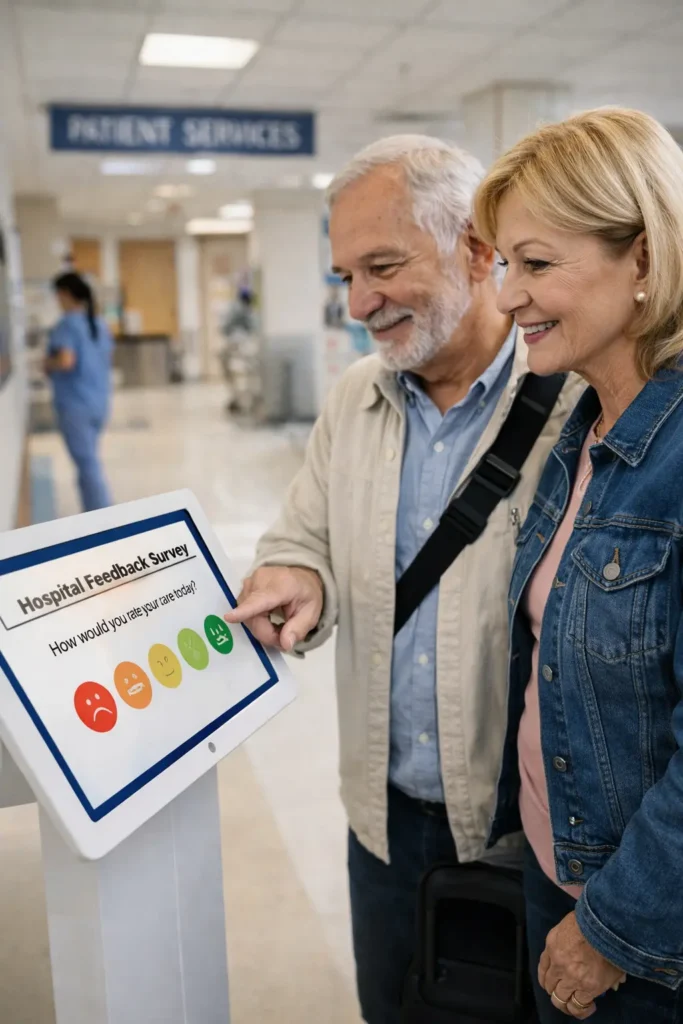
NPS surveys are used in many hospitals because they are simple, fast, and easy for leadership teams to track. The basic question is familiar: how likely is the patient to recommend the hospital or provider to others on a scale of 0 to 10. NPS then classifies respondents into promoters, passives, and detractors, and the […]
Voice AI for Hospital Front Desk Overflow and After-Hours Call Handling
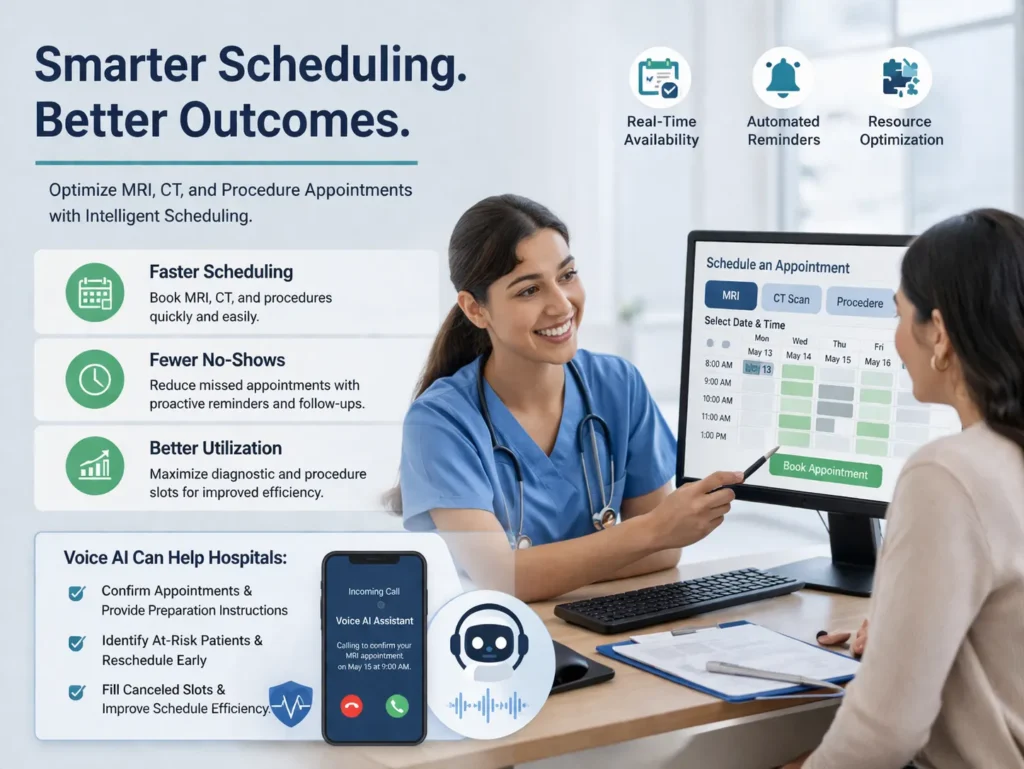
For most hospitals, the front desk is not just a desk. It is the first operating layer of patient access. It is where new appointments begin, urgent questions land, routine confusion gets resolved, and first impressions are formed. But in practice, hospital front desks and patient-access lines are often overloaded, under-resourced, and forced to operate […]